
Careless People, by Sarah Wynn-Williams
Sarah Wynn-Williams’ passenger-seat ride through the chaos years of Facebook is riveting, shocking, often funny, and perhaps a little too perfect.

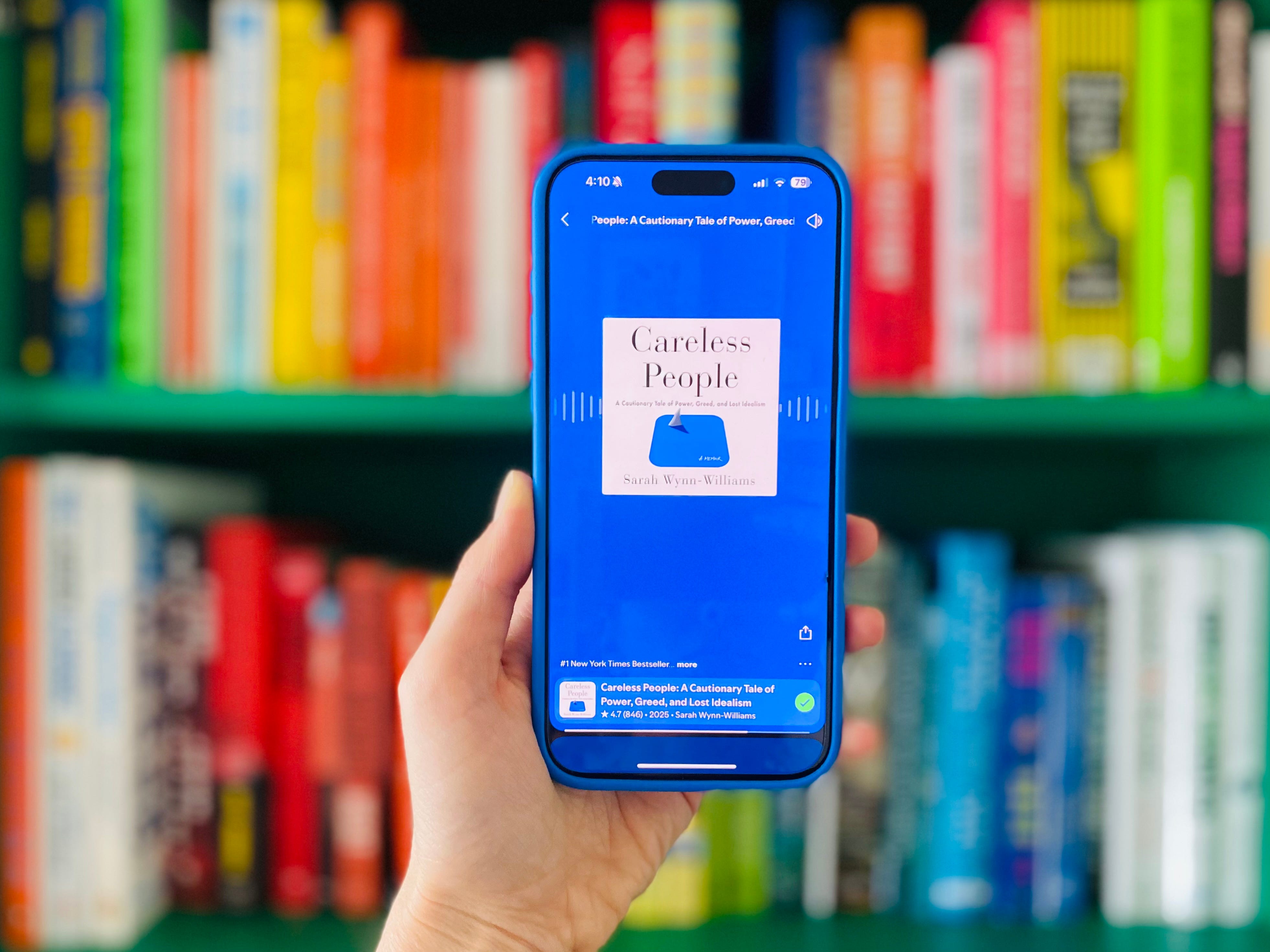
Ironically, it was an algorithm that recommended Careless People to me, though it was hard to get through 2025 without seeing it all over bookstores. On one of the final days of the year, I capitulated and downloaded the audiobook, and then spent the next 13 hours absolutely enthralled.
I’m always sceptical of memoirs and biographies. When I read scenes depicting decades-old memories, I read with one eyebrow raised, simply because I can’t imagine having the strength of recollection required to write such moments from my own life. But then, perhaps my life is not exciting enough (or perhaps I have spent too much time between the pages of books) to warrant such a detailed memory of events.
All this to say that I approached this book with a degree of caution. Yet even if you (as some have) contest the particular details and characterisations of the many events and people recounted in this book, the sheer volume of it — the countless red flags dismissed, selfish decisions made, mistakes unacknowledged — is hard to ignore. Then, of course, there’s reality: we all know just how destructive Facebook has been, just how heedlessly it has wielded its own power. Surely things can’t be peachy behind closed doors.
The situations Wynn-Williams finds herself in as Director of Public Policy at Facebook from 2011 to 2017 are storytelling gold. The up-close, behind-closed-doors interactions with Facebook muppets like Mark Zuckerberg, Sheryl Sandberg, and Joel Kaplan are gross, fascinating, and hilarious; I laughed out loud, gasped, and visually cringed at multiple points.
Wynn-Williams is a spellbinding narrator and, it would seem, a masterful storyteller (it’s unclear how much help she had in the writing department). Yet the picture she paints of herself is at once too perfect and too foolish. Did she really go to Myanmar with seemingly no plan or pertinent details, while pregnant? Was she really willing to fly to India not long after almost dying and becoming comatose after childbirth? Truly, some of what happens to Wynn-Williams in this book appears to be the result of her own poor decision-making more than anything. Yes, the company was egregiously negligent, but sometimes employees do dumb things.
The fact that it takes her so long to leave the company (and never, in the end, does so voluntarily) leads me to believe that Wynn-Williams was a bigger part of these shameful goings-on than she likes to let on. At various points, she reminds readers of the stakes for leaving (I was pregnant and showing; I needed the health insurance), and points out that she was actively looking for new jobs, but this feels more like a narrative tool to heighten the stakes and lower her culpability than the full truth. It’s hard to imagine that someone in her position would not be able to find another job after multiple years of supposedly searching for one.
But perhaps I’m being pedantic. Memoirs are famously unreliable, and most extravagant stories end up too good to be true. I think that’s part of the pact we make when we pick up a memoir: we accept the fallibility of human memory, the smoothing over of the narrator’s own complicity and poor decisions. We’re here, ultimately, for the bigger story: the toxic internal culture, shocking willingness to work with anyone for the right price (specifically, working with the Chinese Communist Party to build censorship tools and hand over user data), and brazen carelessness that led Facebook to wreak extraordinary havoc (destroying teens’ mental health, electing dictators, sparking genocides) around the world.
The very fact of Facebook’s aggressive campaign to quash the publication of this book — taking legal action to prohibit Wynn-Williams from promoting it and attempting to fine her $50,000 for every negative claim about the company contained within it — tells us all we need to know. We know how Facebook treats fake news: they let it be.
But what do they do to the truth?