
How to ruin the planet in 100 years or less
David Attenborough reflects on his 90-something years on planet Earth

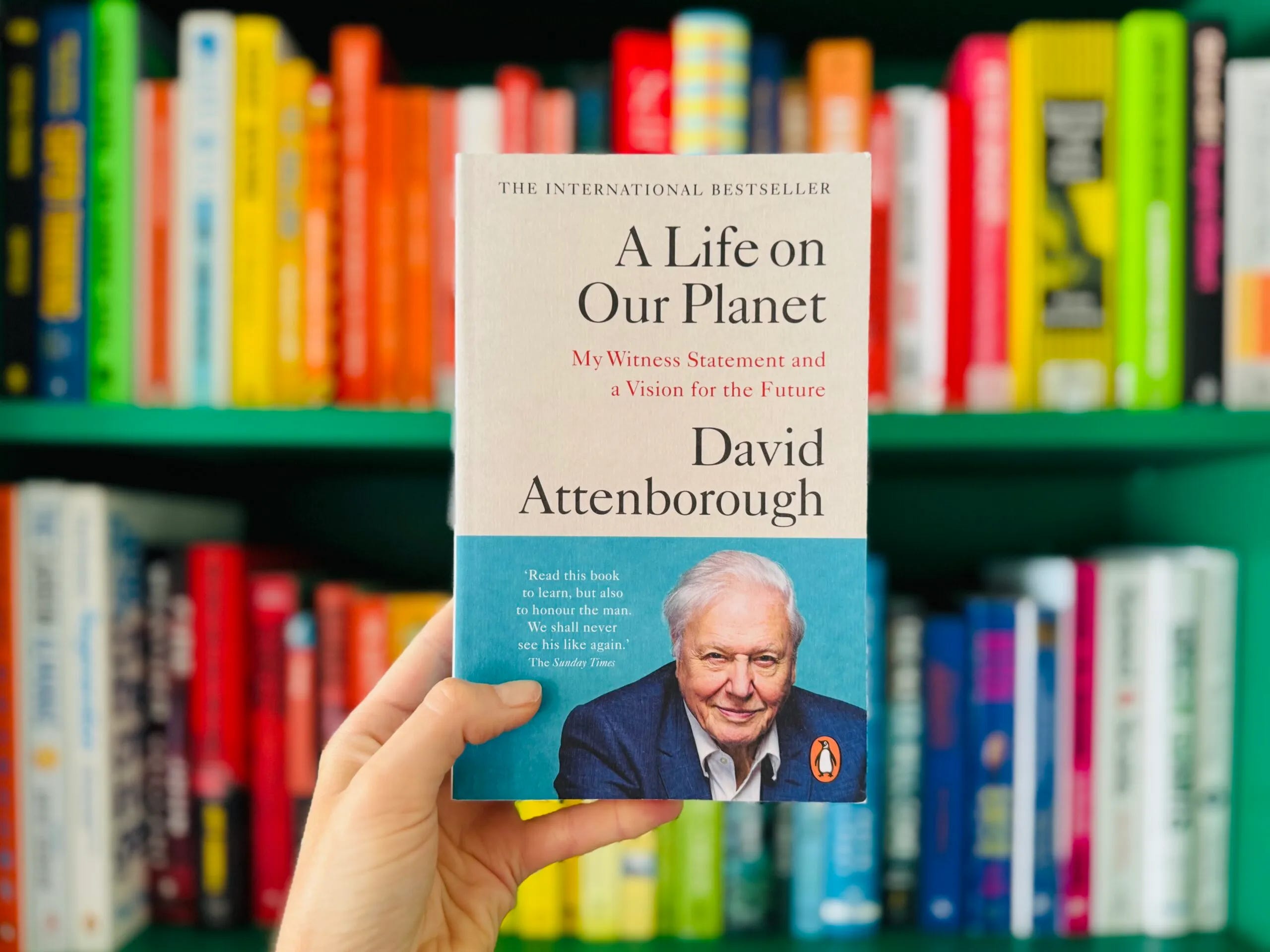
“Nature is far from unlimited,” writes acclaimed British broadcaster and biologist David Attenborough. “The wild is finite. It needs protecting.”
I picked up this book on a road trip in New Zealand and thought it would be a good fit for an outdoorsy kind of holiday. I quickly realised that if any book deserved to be enjoyed in audio format, this was the one, so I downloaded it and listened as we sped through the New Zealand countryside.
Attenborough is a formidable writer, though it’s unclear how much his writing partner had over the final prose. What makes this book is Attenborough’s retelling of moments from his own wildly adventurous life, including coming across a previously uncontacted human tribe, making the first underwater documentary, and standing face to face with an enormous female gorilla while she inspects his bottom lip.
I had hoped the book would offer more of these, but they are few and far between. The majority of the book is devoted to Attenborough’s analysis of the current environmental dilemmas and solutions, much of which is well-trodden territory and offers little in the way of new ideas to someone like me, who works in the field of climate solutions.
What did fascinate me was Attenborough’s brief analysis of the impact of a changing media landscape — particularly television — on the way humans relate to nature and both understand and care about environmental issues.
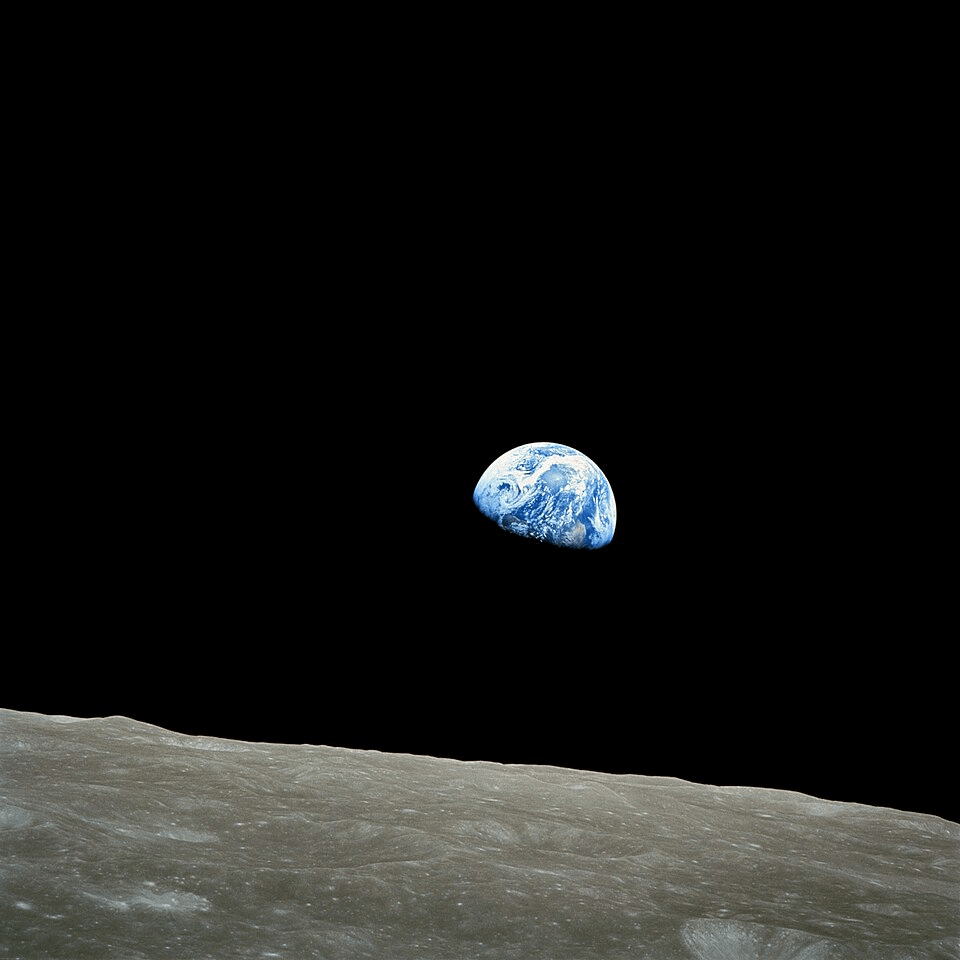
Attenborough writes movingly about the Apollo 8 mission to circle and photograph the moon, and what it was like to broadcast a feed from the astronauts, on live television, using 1960s technology. The biggest surprise of that mission, Attenborough reveals, was not discovering the moon up close but rather the fact that the Earth saw itself for the first time. “We came all this way to discover the Moon,” Attenborough writes, quoting Bill Anders, one of the three astronauts on board the mission, “and the most important thing is that we discovered the Earth.” Not just the earth, but how our “small, isolated, and vulnerable” this perfect blue planet really was.
Attenborough also writes about how the recording and release of whale sounds on vinyl discs in the 1970s changed the public perception of whales and led to the rise of influential anti-whaling campaigns.
At almost 100 years old, Attenborough has witnessed a devastating decline in the natural world. Wild animal populations have more than halved since the 1950s, while marine ecosystems have rapidly disappeared, forests have been felled, and plastic waste is found in every corner of the globe.
“We have become accustomed to an impoverished planet,” Attenborough declares. “We have forgotten that once there were temperate forests that would take days to traverse, herds of bison that would take four hours to pass, and flocks of birds so vast and dense that they darkened the skies. Those things were normal only a few lifetimes ago. Not any more.”
Attenborough’s exploration of environmental solutions is cursory and not as interesting as his observations and recollections of his time in the natural world. Attenborough is a prominent de-growther, and makes an interesting comparison here to the natural world, noting that nothing in nature experiences perpetual growth. Species grow as far as they can within their environment, and eventually plateau. If managed well, plateaus last indefinitely — but the growth phase cannot.
Yet although the second half of the book (dedicated to the future and possible solutions) is far less interesting, Attenborough’s voice is a critical one for the environmental movement. The task of moving forward and addressing our multiple environmental crises collectively seems more difficult than ever in our polarised times. “We are all culpable, but, it has to be said, through no fault of our own,” Attenborough writes. Correct.