
Is it time for the Left to reclaim 'freedom'?
A Nobel-prize-winning economist paints a new vision for the future

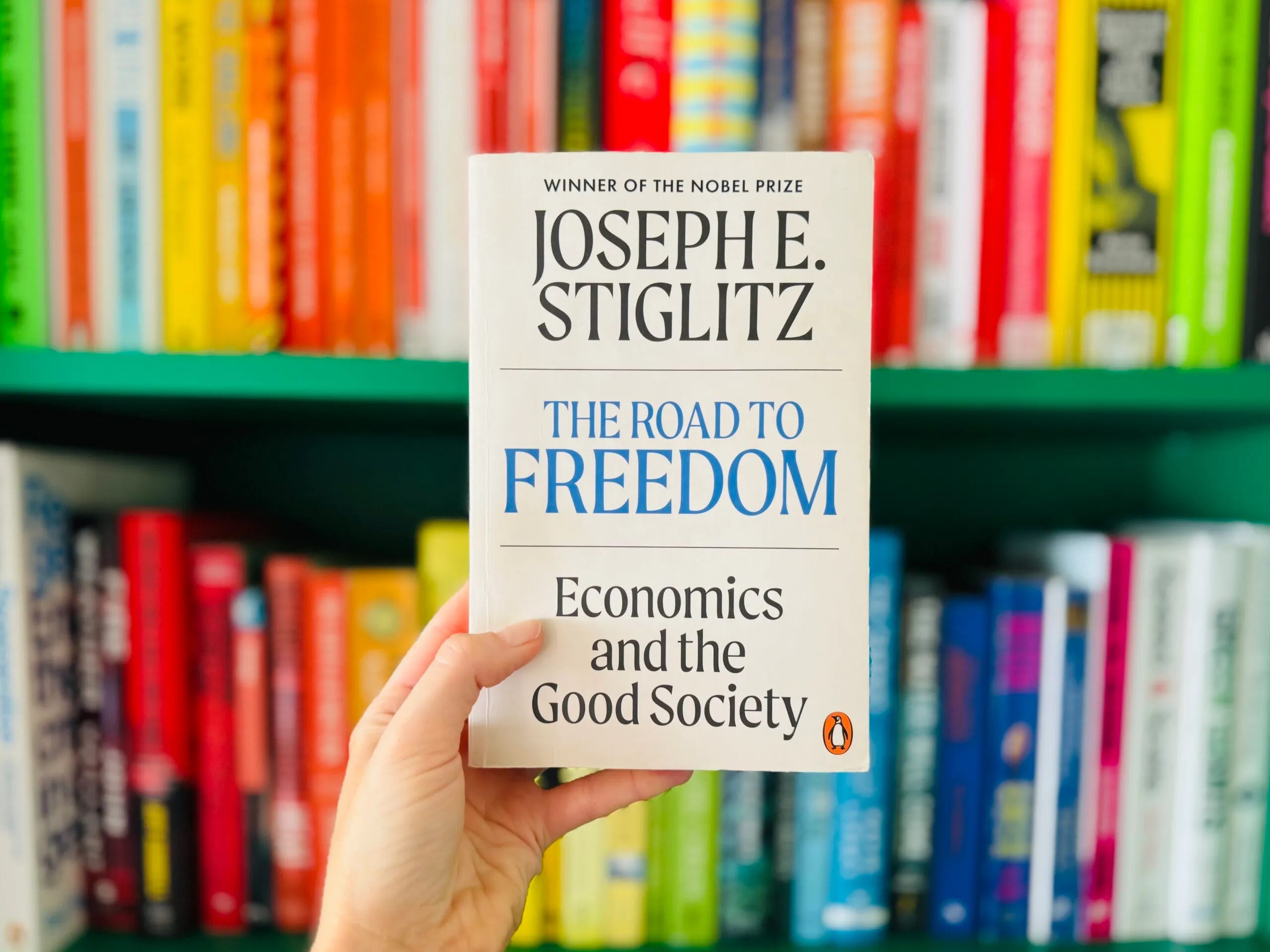
I read this book in the cool dark mornings and eternally bright evenings of the New Zealand summer while on a three-day hike with my family. I was immediately hooked by the premise: What do we mean when we advocate for ‘freedom’, and what happens when one person’s freedom comes at the expense of another’s?
After sixteen consecutive years of declining freedoms, Stiglitz reports, it’s time for progressives to take back the cause. Stiglitz’s understanding of freedom is closely aligned with that of Timothy Snyder, whose book, On Freedom, was the best book I read in 2025. Stiglitz believes that the enhancement of one person’s freedom often comes at the expense of another’s. The Left, Stiglitz argues, needs to reclaim the freedom agenda from the Right, whose understanding of it is narrow and leads to a world in which the expanding freedoms of the few curtail the basic freedoms of the many.
But if progressives want to reclaim freedom, they will need to be able to define it — in the positive sense that Snyder champions, and not the negative sense the Right has so effectively drilled into our minds.
For Stiglitz, true freedom is freedom to live up to one’s potential. His attempt with this book is to define a future political, economic, and social vision for the US and the world — one where strong democratic states work alongside healthy, regulated capital markets to bring prosperity and opportunity to all. Stiglitz calls this progressive capitalism or, for non-American audiences (funny that), social democracy. To that end, Stiglitz focuses on untangling the toxic cocktail of wealth and political power that leads to decisions made to benefit the elites at the expense of the rest.
This book is an attempt to envision a successful post-neoliberal world — a future progressives can get behind. I find Stiglitz’s vision compelling. It aligns well with my own vision for the future. I worry, though, that it doesn’t have a clear hook or boil down to a four-word slogan for the purposes of, say, a national election campaign. Perhaps I underestimate the public appetite for complexity, but previous elections tell another story. We do need a new vision though, and I don’t believe degrowth will do it for the majority. I think this book has what we need — it just needs a better wrapper. (Is it freedom? I’m skeptical.)