
Murakami: What's the big deal?
My first and last Murakami book

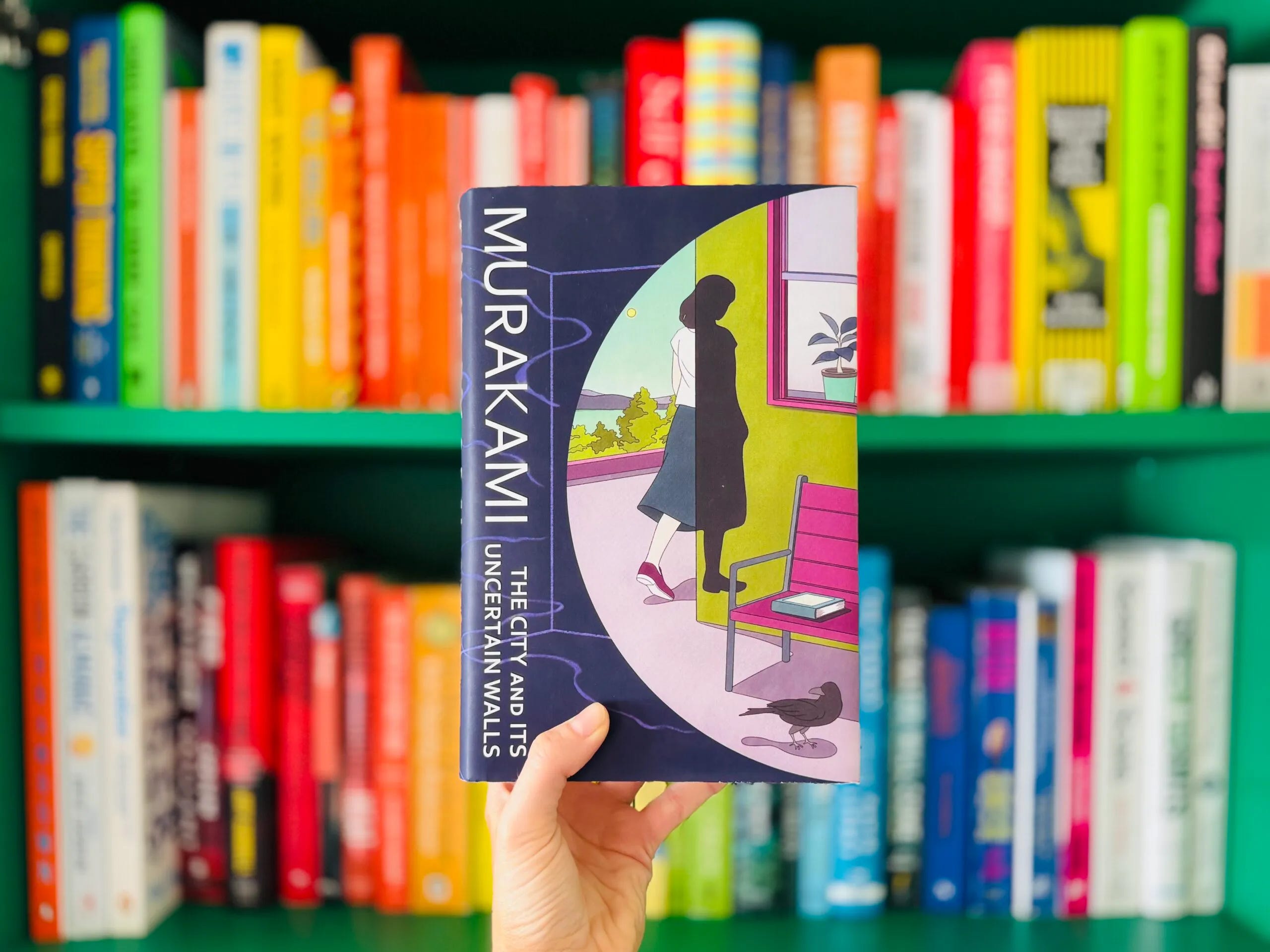
Ugh. Here we go. The main thing to say here is that this was my first Murakami, and will very likely be my last. I am not a fan.
I’ll admit, I made the mistake of not doing any research into Murakami’s work (I had technically read his non-fiction book about running many years ago), so I spent the entire novel completely confused as to what was going on. I couldn’t grasp how much of this weird magical town was supposed to be actually real in this world, or how much of it was simply the protagonist’s own mental constructions.
Even if I could look past that (which I couldn’t, because the whole thing left me incredibly confused), I just could not follow whatever pathetic wisps of plot there were, nor could I make sense of how each world or each chronological sequence related to the others. The structure was incredibly bizarre and repetitive, and the story was excruciatingly drawn out.
And of the supernatural elements? I like a dose of magic realism, but there has to be some sense of what’s real and what’s not, and this book just blew right on past that. My pile of confusions and unanswered questions just kept growing throughout the book, and never found satisfying resolutions. The supposed plot resolutions came far too late and were so absurd that I laughed out loud. The symbolism was frequently clumsy and heavy-handed, and I rolled my eyes several times.
Add to my criticisms the simple reality that Murakami is not a master craftsman of words. Maybe it’s a translation thing, but the sentences were incredibly lazy — filled with unnecessary adverbs, constructed in consistently underwhelming ways. So I did not even have beautiful sentences to keep me going.
Nor did I get incredible depth or insight into the characters’ inner lives. Most characters are two-dimensional, with little complex emotion. The protagonist is the biggest problem here; we never once get to understand what he is actually feeling. One review I read claimed that the protagonist was simply heartbroken and traumatised after his girlfriend left him (another fact which was never made clear); and yet none of that supposed heartbreak or trauma ever seems to make it onto the page. I suppose the reader is meant to infer it, but from what, I don’t know. So much is missing here, to the point where it falls prey to all the clichéd criticisms that written by a man encompasses. The total lack of introspection on behalf of the protagonist is supplanted by an uncomfortable amount of yearning for a sixteen-year-old girl in a school uniform with a swelling chest. Even in his forties, the protagonist still yearns for this girl.
I wouldn’t recommend this book to anyone, and I won’t be picking up any more Murakami for now. As I mentioned in my review of Before the Coffee Gets Cold, one thing a lot of Japanese fiction does well — and this book is no exception — is create that comforting sense of routine, of a cosy place that never changes, of days going by in calm and ordinary ways. There is certainly comfort in this, especially in times like these. The vibes are strong in this book, but they were certainly not enough to keep me going.